Whiskey Wholesale Suppliers for Bulk Orders Worldwide
The global whiskey market offers major opportunities for retailers, beverage distributors, liquor stores, supermarkets, hotels, restaurants, bars and importers. As consumers increasingly explore Scotch whisky, Irish whiskey, bourbon, American whiskey and premium spirits, businesses need dependable whiskey wholesale suppliers capable of supporting commercial purchasing requirements.
Buying whiskey wholesale is different from purchasing individual bottles for personal consumption. Commercial buyers need to consider product selection, brand demand, bottle formats, case quantities, pricing, shipping, documentation, inventory turnover and destination-market regulations.
A reliable wholesale beverage supplier can simplify this process by giving businesses access to multiple brands through one commercial purchasing channel.
Food & Drinks Suppliers Sp. z o.o. provides an online wholesale beverage platform with a dedicated whiskey category and individual pages for several internationally recognized brands. Its online whiskey selection includes names such as Aberlour, Ardbeg, Chivas, Glenfiddich, Hennessy, Imperial Blue, Jack Daniel’s, Jameson and.
For retailers and distributors searching for a bulk whiskey supplier, the main objective should be finding a commercial partner that combines product variety with professional ordering and international distribution support.
This guide explains how to evaluate whiskey wholesalers, which whiskey categories are important for commercial buyers, and how businesses can build a competitive whiskey portfolio for customers in different markets.
Wholesale purchasing allows businesses to obtain alcoholic beverages in commercial quantities rather than relying on consumer retail channels.
For a liquor store, buying wholesale can help maintain inventory across popular brands. For a bar or restaurant, wholesale purchasing can support regular beverage consumption. For an importer or distributor, larger commercial orders can provide the inventory needed to supply multiple retail and hospitality customers.
A business may also combine different whiskey categories in a single purchasing strategy. For example, a retailer might stock mainstream Scotch, premium single malt, Irish whiskey and bourbon to reach several consumer segments.
The right supplier should therefore offer more than individual products. Buyers need a commercial solution that fits their purchasing model.
The best whiskey wholesale suppliers are not necessarily the companies advertising the lowest bottle price. A professional wholesale relationship should be evaluated on several factors.
Whiskey consumers have different preferences. Some prefer Scotch, others Irish whiskey or bourbon. Some customers want familiar mainstream brands, while enthusiasts may search for single malt, peated or premium expressions.
A supplier with a diverse catalog can help businesses reduce the number of separate sourcing relationships they need to manage.
Explore the Food & Drinks Suppliers Sp. z o.o. whiskey wholesale category to research its available whiskey products.
Brand recognition can be particularly important in the spirits industry.
Consumers may enter a liquor store looking for a specific brand rather than simply asking for “whiskey.” Recognizable labels can therefore help retailers satisfy existing demand.
Each brand can appeal to a different customer segment and market.
Businesses sourcing whiskey internationally need to think beyond product availability.
The supplier’s ability to communicate about shipping, commercial orders and destination requirements can be important when purchasing across borders.
The Food & Drinks Suppliers Sp. z o.o. website specifically presents whiskey wholesale purchasing for markets including Europe, the USA and Asia.
International buyers should still confirm the applicable import licenses, alcohol regulations, customs requirements, duties, taxes and labeling rules in their destination country before placing an order.
Wholesale customers often need more information than ordinary retail consumers.
A supplier that provides clear information can make procurement easier and reduce misunderstandings.
Understanding the different whiskey categories can help businesses create a more effective product portfolio.
Scotch whisky is one of the world’s most established whisky categories.
It includes blended Scotch, single malt Scotch and other recognized styles. Different Scottish whisky-producing regions and distilleries offer distinctive flavor profiles, allowing retailers to create selections for both casual consumers and enthusiasts.
A retailer serving a broad audience may benefit from carrying both accessible Scotch and premium selections.
Irish whiskey is another important category for international beverage businesses.
Irish whiskey is used for both sipping and cocktails, making it relevant to liquor stores, bars, restaurants and hotels.
Jameson is one of the best-known Irish whiskey brands and is featured in the Food & Drinks Suppliers Sp. z o.o. whiskey selection.
Businesses interested in sourcing Jameson wholesale can explore the Jameson wholesale page for product information.
Irish whiskey can complement Scotch and American whiskey in a diversified retail portfolio.
Bourbon is an important American whiskey category and has a strong position in the global spirits market.
Bourbon is widely used both as a sipping whiskey and as a cocktail ingredient. Classic cocktails such as the Old Fashioned and Whiskey Sour have helped maintain interest in American whiskey among hospitality customers.
For distributors and bars, bourbon can therefore serve multiple commercial purposes.
Jim Beam is a globally recognized bourbon brand included in the Food & Drinks Suppliers Sp. z o.o. selection. Buyers can explore the.
Tennessee whiskey is another major American whiskey category.
Jack Daniel’s is one of the best-known brands associated with Tennessee whiskey and has strong international recognition.
For retailers, restaurants and bars, recognizable American whiskey brands can help attract customers who specifically request familiar labels.
Premium whiskey and single malt whisky can provide higher-value opportunities for specialist retailers.
Consumers purchasing premium whisky may be more interested in distillery reputation, age statements, production style, flavor profile and presentation.
A balanced retail portfolio can therefore include mainstream products alongside premium single malt offerings.
Aberlour, Ardbeg and Glenfiddich represent important names within the Scotch whisky category.
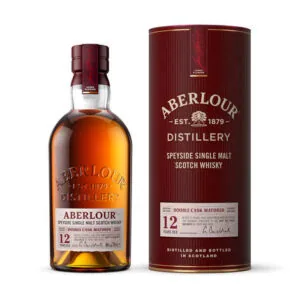
Aberlour is a recognized Scotch whisky brand associated with Speyside.
Its inclusion in a commercial whiskey portfolio can help retailers reach customers looking for single malt Scotch and premium whisky products.
Businesses interested in sourcing this brand can visit the Aberlour whiskey wholesale page.
For specialist liquor stores, premium Scotch brands can complement mainstream whisky offerings and create opportunities for higher-value sales.
Ardbeg is associated with Islay Scotch whisky and is particularly known among whisky enthusiasts for distinctive peated and smoky profiles.
This type of product can serve a different customer segment from lighter and more approachable whiskies.
Retailers with customers who actively seek distinctive Scotch styles may consider Ardbeg as part of a specialist whisky selection.
The Ardbeg wholesale page provides a dedicated destination for buyers researching this brand.
Chivas is a well-known Scotch whisky brand with strong international recognition.
Recognizable blended Scotch can be useful for retailers because consumers often search directly for established brands.
A business looking for a combination of mainstream demand and Scotch whisky positioning may consider Chivas as part of its portfolio.
Visit the Chivas whiskey wholesale page to explore the dedicated product category.
Its brand recognition makes it relevant to premium spirits retailers and distributors seeking established single malt products.
For businesses building a tiered whiskey portfolio, Glenfiddich can sit alongside blended Scotch, Irish whiskey, bourbon and other premium categories.
Explore the Glenfiddich wholesale page for more information.
Hennessy is cognac, not whiskey. Cognac is a type of brandy produced in the Cognac region of France.
However, Hennessy is often searched alongside whiskey and other premium brown spirits because of its position within the international premium spirits market.
Businesses looking specifically for Hennessy should therefore use a dedicated cognac category rather than classifying it as Scotch, bourbon or Irish whiskey.
The Hennessy wholesale page can help commercial buyers locate the relevant product offering.
Imperial Blue is an Indian whisky brand that may be particularly relevant to businesses serving markets with demand for Indian whisky.
Regional consumer preferences can have a significant impact on which whiskey products perform well.
Importers and distributors should therefore consider their target market before selecting brands and quantities.
Jack Daniel’s is among the world’s most recognizable American whiskey brands.
Its strong brand recognition can make it relevant for liquor stores, bars, restaurants, hotels and beverage distributors.
For hospitality businesses, American whiskey can also be an important ingredient in cocktails and mixed drinks.
Wholesale buyers can review the Jack Daniel’s wholesale category.
Jameson is a leading Irish whiskey name and an important product for businesses seeking to serve customers interested in Irish spirits.
Irish whiskey can be sold as a neat pour, mixed drink or cocktail ingredient, giving it broad potential across retail and hospitality.
Visit the Jameson wholesale page to learn more about the available offering.
Bourbon can be especially relevant to bars and restaurants because it is used in numerous classic cocktails while also being popular as a straight or on-the-rocks pour.
For retailers, a recognized bourbon brand can complement Scotch and Irish whiskey selections.
Liquor stores need a whiskey assortment that reflects local customer demand.
Instead of stocking only one type of whiskey, retailers can create several categories.
Affordable and recognizable products designed for regular consumers.
Higher-priced products aimed at customers looking for premium presentation and flavor.
Both blended Scotch and single malt products can attract different customer groups.
Irish whiskey offers another international category and can attract consumers looking for alternatives to Scotch and bourbon.
Bourbon and Tennessee whiskey provide exposure to the American spirits category.
Peated Scotch, premium single malts and distinctive expressions can attract enthusiasts.
This tiered approach allows retailers to serve customers with different budgets and preferences.
Bars and restaurants often purchase whiskey based on menu requirements.
A cocktail bar may require bourbon, American whiskey and Irish whiskey for classic cocktails. A hotel bar may need a broader portfolio covering entry-level, premium and luxury selections.
Restaurants may also offer whiskey as an after-dinner spirit.
Maintaining the right stock levels is important. Too little inventory can lead to product shortages, while excessive stock can tie up capital and storage space.
Importers and beverage distributors often have more complex purchasing requirements.
They may buy whiskey for resale to multiple retailers, supermarkets, restaurants or regional wholesalers.
Before committing to a large order, distributors should evaluate the total landed cost rather than looking only at the supplier’s quoted product price.
Alcohol importation can also be subject to specific regulatory requirements. Buyers should confirm local licensing, customs, labeling and tax rules before ordering.
When comparing suppliers, create a purchasing checklist based on commercial priorities.
Confirm whether the products you want are currently available and whether supply is consistent enough for repeat purchasing.
Compare quotations based on the complete cost of acquisition.
The cheapest unit price may not represent the cheapest landed cost if transportation and other charges are significantly higher.
Some suppliers may have minimum order requirements. Confirm these before planning an order.
Ask about bottle sizes, bottles per case and pallet configuration.
Packaging information is particularly important for international shipping and warehouse planning.
Confirm the supplier’s shipping options, destinations, estimated lead times and delivery arrangements.
Commercial buyers should ensure that appropriate invoices and other required documentation are available.
Alcohol regulations vary considerably between countries. Always verify that the proposed transaction is legal in the destination market.
Food & Drinks Suppliers Sp. z o.o. offers a dedicated online whiskey category designed around wholesale purchasing.
The company’s online platform allows commercial buyers to research different whiskey products rather than limiting their selection to one spirit category.
Visit the Food & Drinks Suppliers Sp. z o.o. website to explore the broader beverage offering.
The main whiskey wholesale category can serve as the starting point for businesses researching whiskey products for commercial purchasing.
Individual brand pages also provide a more targeted way to navigate the product range.
This can be useful for buyers who already know the brands they want to source.
A successful wholesale whiskey strategy should begin with the target market.
For example, a distributor serving a broad retail market may prioritize recognizable brands and different price levels.
A specialist spirits retailer may place greater emphasis on single malts and premium expressions.
A cocktail-focused hospitality business may require bourbon, Tennessee whiskey and Irish whiskey.
The ideal product mix therefore depends on customer behavior.
Determine whether your customers are retail consumers, restaurants, bars, hotels, supermarkets or other distributors.
Identify which brands customers already request and which categories are growing in your market.
Review pricing, availability, logistics and commercial terms.
Confirm that the products can legally be imported, distributed and sold in your market.
Track which products move fastest and adjust future purchasing accordingly.
One of the biggest advantages of working with a broad wholesale supplier is the ability to offer multiple brands.
One customer may want a smooth Irish whiskey. Another may prefer a smoky Islay Scotch. A third may specifically request bourbon.
A diverse whiskey range allows businesses to capture these different purchase intentions.
This type of brand diversity can help retailers and distributors create a more complete spirits portfolio.
International whiskey sourcing creates opportunities, but it also requires careful planning.
These considerations become increasingly important as order values and shipment sizes increase.
A professional procurement process can reduce avoidable costs and delays.
A whiskey wholesale supplier provides whiskey products to commercial customers such as retailers, distributors, restaurants, bars, hotels and other businesses.
Start by identifying the brands, categories and quantities you require. Then contact a suitable wholesale supplier to confirm availability, pricing, order requirements, shipping and applicable commercial terms.
Yes. Online wholesale platforms can allow business buyers to research products and contact suppliers. Buyers should verify licensing, shipping and destination-market requirements before completing a transaction.
Availability depends on the supplier. International wholesale portfolios may include Scotch, Irish whiskey, bourbon, American whiskey and other categories.
No. Hennessy is cognac, which is a type of brandy. It is not Scotch whisky, bourbon or Irish whiskey. It may nevertheless appear in searches alongside premium whiskey because both are popular brown spirits.
Consider product authenticity, wholesale pricing, bottle size, case configuration, minimum order quantities, shipping costs, availability, documentation, taxes and destination-country regulations.
Yes. Restaurants and bars commonly purchase spirits wholesale for beverage menus and cocktails. The best product mix depends on the establishment’s menu and customer base.
International supply depends on the supplier, destination, regulations and shipping arrangements. Importers should verify all applicable legal and customs requirements before ordering.
Start with your customer base. Analyze existing sales, brand recognition, price segments and consumer preferences. A balanced portfolio usually includes a combination of mainstream and premium products.
Finding the best whiskey wholesale suppliers for bulk orders worldwide requires more than comparing individual bottle prices.
Commercial buyers should evaluate product selection, brand recognition, wholesale terms, availability, packaging, logistics, documentation and regulatory requirements.
A strong whiskey portfolio can include Scotch whisky, Irish whiskey, bourbon, Tennessee whiskey and premium spirits. Brands such as Aberlour, Ardbeg, Chivas, Glenfiddich, Jack Daniel’s, Jameson and Jim Beam can serve different customer segments, while Hennessy should be correctly classified as cognac rather than whiskey.
For businesses looking for a broad online wholesale beverage platform, Food & Drinks Suppliers Sp. z o.o. provides a starting point for researching whiskey and other beverage products.
Buyers can begin with the whiskey wholesale category and then explore individual brand pages for Aberlour, Ardbeg, Chivas, Glenfiddich, Hennessy, Imperial Blue, Jack Daniel’s, Jameson and.
For retailers, importers, distributors, bars, restaurants and hospitality businesses, the right supplier should ultimately be the one that matches the company’s market, purchasing volume, product requirements and regulatory obligations.
With careful supplier comparison and a well-planned product portfolio, businesses can create a whiskey selection capable of serving mainstream customers, premium spirits enthusiasts and professional hospitality buyers across multiple markets.
Your email address will not be published. Required fields are marked *.
Save my name, email, and website in this browser for the next time I comment.