Whiskey and Champagne Wholesale Suppliers for Bulk Buyers
Businesses purchasing beverages in commercial quantities need dependable wholesale suppliers, competitive product selection and efficient procurement. For liquor stores, beverage distributors, supermarkets, restaurants, hotels, bars, event companies and importers, sourcing whiskey and Champagne wholesale products can create opportunities to serve customers across mainstream, premium and luxury market segments.
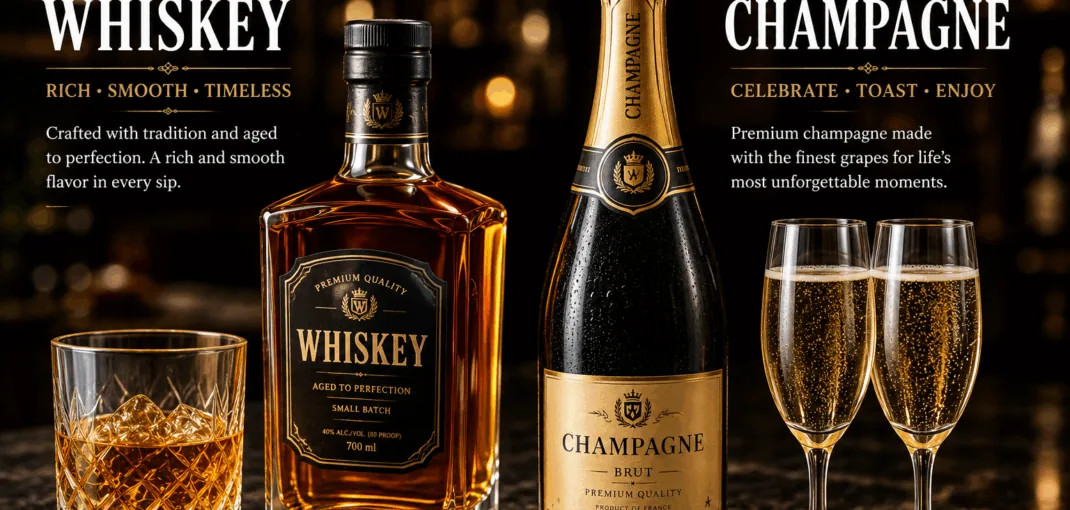
Whiskey and Champagne are two very different beverage categories, but both have strong positions in the international premium drinks market. Whiskey includes categories such as Scotch whisky, bourbon, American whiskey and other regional styles. Champagne is a protected sparkling-wine category associated with the Champagne region of France.
For commercial buyers, the challenge is not simply finding products. Businesses need to identify suppliers that can support their purchasing requirements while providing appropriate information about product availability, packaging, commercial terms, shipping and destination-market requirements.
Food & Drinks Suppliers Sp. z o.o. provides an online wholesale beverage platform where commercial buyers can research whiskey, Champagne and other beverage categories.
Its whiskey and Champagne offerings include internationally recognized brands and products that can appeal to retailers, hospitality businesses, distributors and other professional beverage buyers.
This comprehensive guide explains how to source whiskey and Champagne wholesale, how to compare suppliers, which product categories to consider and how to build a commercially attractive beverage portfolio.
Wholesale purchasing can be an efficient procurement strategy for businesses that regularly sell or serve alcoholic beverages.
A liquor store needs consistent inventory. A restaurant needs products for its drinks menu. A hotel may need Champagne for weddings, conferences and premium hospitality. A distributor may need large quantities of recognized brands to supply multiple customers.
Buying from a dedicated wholesale supplier can also make it easier to create a diversified product portfolio.
For example, a retailer could combine mainstream whiskey with premium Scotch, bourbon, prestige Champagne and Rosé Champagne. This approach gives customers multiple choices across different price points.
Choosing the right supplier requires more than comparing bottle prices.
A supplier with a broad product range can help buyers source multiple categories through one commercial relationship.
A diverse product range can make procurement easier while helping retailers build attractive beverage departments.
Brand recognition is especially important in premium beverage sales.
Customers may enter a store specifically searching for a particular whiskey or Champagne label. Hotels and restaurants may also select recognizable brands because customers associate established labels with specific quality and positioning.
The Food & Drinks Suppliers Sp. z o.o. portfolio includes recognizable names across both categories.
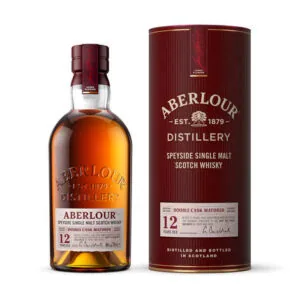
The whiskey wholesale category provides a starting point for buyers researching whiskey products.
The Champagne wholesale category provides a separate starting point for Champagne purchasing.
Whiskey remains an important category for international beverage retailers.
Unlike a single-product category, whiskey includes numerous styles and price points. This makes it possible for businesses to build a portfolio designed around their customers.
Scotch whisky includes blended and single malt products and is strongly associated with Scotland.
A balanced Scotch selection can attract both everyday consumers and whisky enthusiasts.
Bourbon is an American whiskey category that is popular among both retail and hospitality customers.
Bourbon is particularly relevant to cocktail bars because it is used in drinks such as the Old Fashioned and Whiskey Sour.
Recognizable American brands can be useful for retailers looking to serve customers interested in American spirits.
It is suitable for both sipping and cocktails and can complement Scotch and American whiskey in a diverse product range.
Buffalo Trace is a recognized American whiskey brand associated with bourbon.
For retailers and hospitality businesses, a recognizable bourbon brand can provide a useful addition to an American whiskey section.
Businesses interested in commercial sourcing can explore the Buffalo Trace whiskey wholesale page.
When planning bulk purchasing, buyers should confirm current availability, bottle formats, case quantities and commercial terms directly with the supplier.
Johnnie Walker is one of the most recognizable Scotch whisky brands internationally.
Its strong brand recognition can make it relevant for liquor stores, supermarkets, bars, hotels and distributors.
For businesses building a Scotch portfolio, recognizable blended Scotch can provide an accessible category alongside single malt products.
The Johnnie Walker wholesale page provides a dedicated destination for buyers researching the brand.
Johnnie Walker Red Label is a widely recognized blended Scotch whisky.
It can be relevant to retailers and hospitality businesses looking for a recognizable mainstream Scotch product.
Businesses can explore the Red Label whiskey wholesale page for additional product information.
Retailers should evaluate demand in their specific market before deciding on order quantities.
Crown Royal is a Canadian whisky brand with strong international recognition.
Canadian whisky can provide useful geographical diversity in a spirits portfolio, particularly for retailers that want to offer customers alternatives to Scotch, bourbon and Irish whiskey.
Commercial buyers interested in this brand can visit the Crown Royal wholesale page.
This distinction is important when creating accurate product categories.
Cognac is a type of brandy produced in the Cognac region of France. However, premium cognac is frequently purchased by similar luxury-spirit consumers and may therefore be commercially relevant to businesses that also sell premium whiskey and Champagne.
Businesses researching the product can explore the Courvoisier wholesale page.
The Macallan is a highly recognized Scotch single malt brand.
Its premium positioning makes it relevant to specialist whisky retailers, luxury hospitality businesses, premium bars and collectors.
A business offering premium Scotch can use products such as Macallan to create a higher-value segment alongside mainstream whisky.
Explore the Macallan whiskey wholesale page for commercial product research.
Champagne occupies an important position within premium sparkling wine.
For businesses, Champagne can therefore generate demand across both regular retail and event-driven purchasing.
However, buyers should distinguish Champagne from other sparkling wines.
Champagne refers specifically to sparkling wine produced under the applicable rules in the Champagne region of France.
Dom Pérignon is one of the world’s best-known prestige Champagne names.
P2 refers to a particular stage of Dom Pérignon’s extended maturation program, making it especially relevant to premium and luxury buyers.
The 2002 vintage can appeal to collectors, luxury retailers, fine-dining establishments and high-end hospitality businesses.
Businesses researching the product can visit the Dom Pérignon P2 2002 wholesale page.
Premium vintage Champagne should be handled and stored appropriately, and buyers should verify product condition, provenance and commercial terms before making high-value purchases.
Dom Pérignon Rosé is positioned within the prestige Champagne segment.
Rosé Champagne can appeal to customers looking for premium presentation and a distinctive product for celebrations, luxury dining and special occasions.
The 2008 vintage adds a specific vintage identity to the product.
Buyers interested in this premium product can explore the Dom Pérignon Rosé 2008 wholesale page.
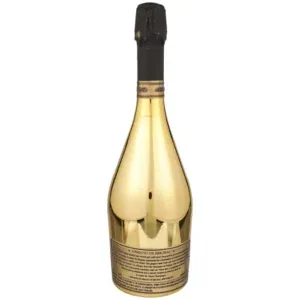
Le Chemin du Roi is associated with rapper and entrepreneur 50 Cent and occupies a distinctive position within the premium sparkling wine market.
Its presentation can make it attractive to nightlife venues, luxury retailers, entertainment events and consumers seeking recognizable celebrity-associated products.
Businesses researching the product can visit the Le Chemin du Roi Rosé wholesale page.
Because product classifications matter, retailers should accurately describe the product according to its actual wine category and production designation.
Blanc de Blancs products offer variety for customers seeking Champagne made from white grapes, traditionally Chardonnay in Champagne.
A premium Blanc de Blancs can complement Brut and Rosé selections in a specialist wine portfolio.
Wholesale buyers can explore the Louis Roederer Blanc de Blancs page.
For many businesses, whiskey and Champagne can complement each other.
They serve different consumption occasions but can both occupy premium beverage categories.
A liquor store can position whiskey as a year-round spirits category while using Champagne for celebrations and premium purchases.
A hotel can offer both whiskey and Champagne through its bar, restaurant, room service and event operations.
A distributor can supply both categories to restaurants, bars and retail outlets.
A supplier offering multiple beverage categories can potentially simplify procurement.
Recognizable brands can provide a foundation for the whiskey category.
Products such as Johnnie Walker, Red Label, Crown Royal and other established brands may appeal to broad consumer segments.
Buffalo Trace and other recognized American brands can attract customers looking for bourbon.
Premium single malt products can increase the value of a whiskey department.
Macallan and other premium Scotch products can target enthusiasts and luxury customers.
Irish whiskey adds geographical diversity and can attract customers looking for alternatives to Scotch and bourbon.
Businesses should monitor actual sales rather than assuming that every product will perform equally.
A Champagne portfolio can also be structured by customer segment.
Suitable for customers seeking recognizable Champagne for celebrations.
Relevant to Champagne enthusiasts looking for a particular style.
Suitable for luxury hospitality, collectors and high-value customers.
Can appeal to customers seeking specific vintages and premium expressions.
This approach helps businesses avoid relying entirely on one Champagne price point.
For large events, buyers should calculate requirements based on guest numbers, event duration and service format.
Champagne is a fragile product, and appropriate handling is essential throughout the supply chain.
Bars may require larger volumes of mainstream products, while luxury hotels may prioritize premium and prestige labels.
The ideal procurement strategy depends on the venue’s customer profile.
Before placing a bulk order, businesses should evaluate several factors.
Compare supplier pricing, but calculate the complete landed cost.
Confirm whether products are currently available and whether recurring supply is possible.
Confirm bottles per case, case dimensions, pallet configuration and shipping weight.
Review delivery locations, lead times and shipping arrangements.
Ensure the supplier can provide appropriate commercial documentation.
Verify applicable alcohol licensing, import and taxation requirements.
International beverage procurement can offer access to products that may not be readily available in every local market.
However, international alcohol purchasing requires planning.
The buyer should ensure the transaction complies with all applicable laws in the destination market.
For whiskey buyers, the whiskey wholesale category provides a central location for product research.
For Champagne buyers, the Champagne wholesale category provides a dedicated destination for exploring Champagne products.
The site also includes dedicated product pages for several recognizable brands, allowing buyers to research specific products according to their commercial requirements.
For example, buyers can explore Buffalo Trace, Johnnie Walker, Red Label, Crown Royal and Macallan for whiskey, as well as Dom Pérignon, Louis Roederer and Le Chemin du Roi for premium sparkling wine products.
Businesses should contact the supplier directly to confirm current availability, pricing, minimum orders, shipping arrangements and destination-specific purchasing requirements.
Sourcing multiple beverage categories from one supplier can simplify procurement.
One supplier relationship can reduce the number of separate purchasing conversations.
Businesses may be able to coordinate different beverage requirements through one wholesale platform, subject to supplier availability and order terms.
A broad online catalog allows buyers to research multiple categories in one place.
Businesses can build complementary whiskey and Champagne selections rather than treating each category independently.
A centralized purchasing strategy can make it easier to forecast inventory and identify fast-moving products.
Actual logistics and consolidation options should always be confirmed with the supplier before ordering.
They are commercial beverage suppliers that provide whiskey, Champagne or related products to businesses purchasing for resale, hospitality, events or distribution.
Yes. Liquor stores, supermarkets and specialist beverage retailers can purchase these categories from wholesale suppliers, subject to applicable commercial and legal requirements.
Availability varies by supplier. The Food & Drinks Suppliers Sp. z o.o. whiskey selection includes products associated with brands such as Buffalo Trace, Johnnie Walker, Red Label, Crown Royal and Macallan.
The Food & Drinks Suppliers Sp. z o.o. Champagne offering includes products associated with brands such as Dom Pérignon and Louis Roederer, among other Champagne and sparkling wine products.
No. Courvoisier is cognac, which is a type of brandy. It should be categorized separately from whiskey even though it may appeal to similar premium-spirit consumers.
Product classification should follow the specific product designation and labeling. Businesses should accurately describe Le Chemin du Roi according to its actual sparkling wine classification rather than automatically labeling every sparkling wine as Champagne.
Ask about product availability, pricing, bottle sizes, case quantities, minimum order quantities, shipping, documentation, payment terms and destination-market requirements.
International purchasing depends on supplier availability, destination laws, import licensing, customs procedures and shipping arrangements. Buyers should verify local requirements before ordering.
Yes. Champagne can be used for restaurant wine lists, hotel bars, weddings, corporate events, room service and other hospitality applications.
Finding reliable whiskey and Champagne wholesale suppliers for bulk buyers worldwide requires a strategic approach.
Businesses should look beyond product price and evaluate product selection, availability, brand recognition, packaging, shipping, documentation and regulatory compliance.
For whiskey, a diversified portfolio can include mainstream Scotch, American bourbon, Canadian whisky, premium single malt and other international categories. Products associated with Buffalo Trace, Johnnie Walker, Red Label, Crown Royal and Macallan can serve different market segments.
For Champagne and premium sparkling wine, businesses can create additional variety with prestige products such as Dom Pérignon P2 2002, Dom Pérignon Rosé 2008, Louis Roederer Blanc de Blancs and other premium offerings. Businesses should always classify products accurately according to their actual wine designation.
For commercial buyers searching for a broad online beverage supplier, Food & Drinks Suppliers Sp. z o.o. offers dedicated wholesale categories for whiskey and Champagne.
Start with the whiskey wholesale category or Champagne wholesale category, then research individual products based on your target market and customer demand.
Before completing a bulk order, confirm current availability, pricing, minimum order requirements, shipping arrangements, documentation and all applicable import and alcohol regulations.
For retailers, distributors, restaurants, hotels, bars and event businesses, a carefully planned combination of whiskey and Champagne can create a versatile beverage portfolio capable of serving mainstream, premium and luxury customers in markets worldwide.
Your email address will not be published. Required fields are marked *.
Save my name, email, and website in this browser for the next time I comment.